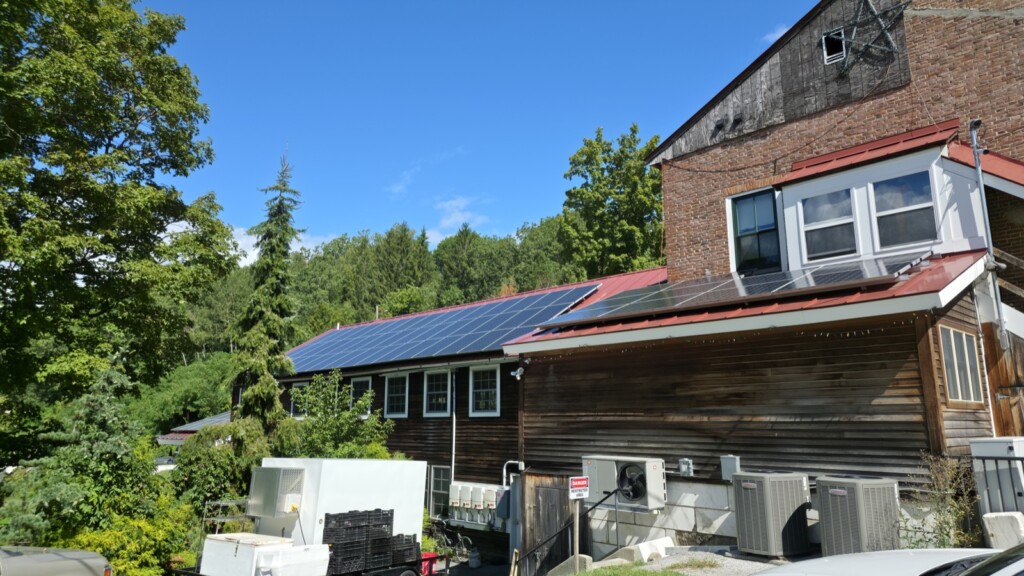
I am in Vermont on a brief vacation, and I finally got the chance to meet up with Chris, a colleague I had only known through online solar forums until now. Seeing solar through his eyes and comparing notes was eye-opening. Vermont and Florida could not be more different when it comes to solar, yet we found ourselves agreeing on many of the same challenges and realities.
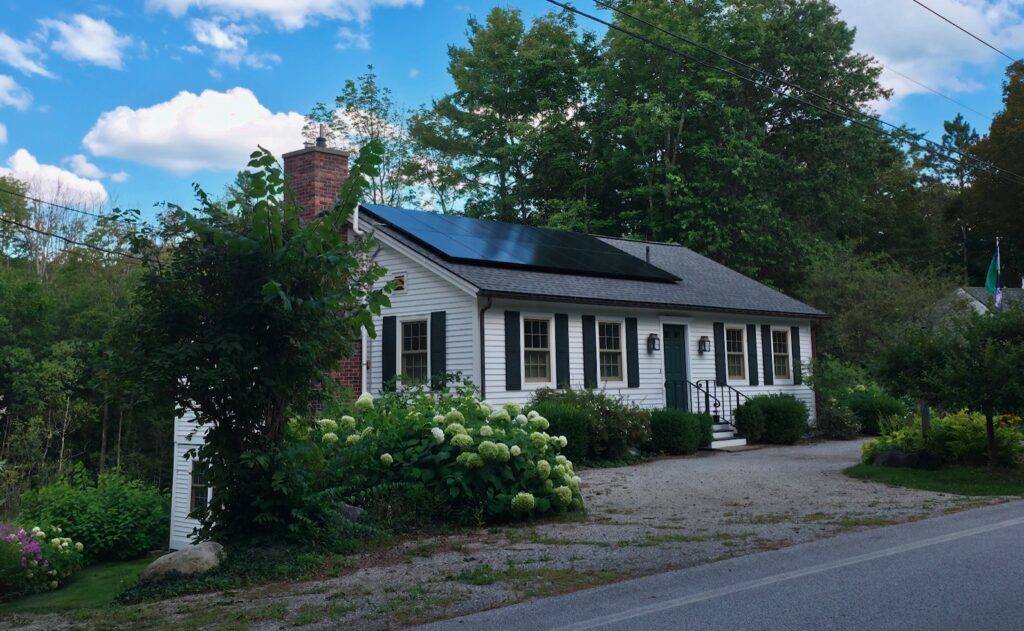
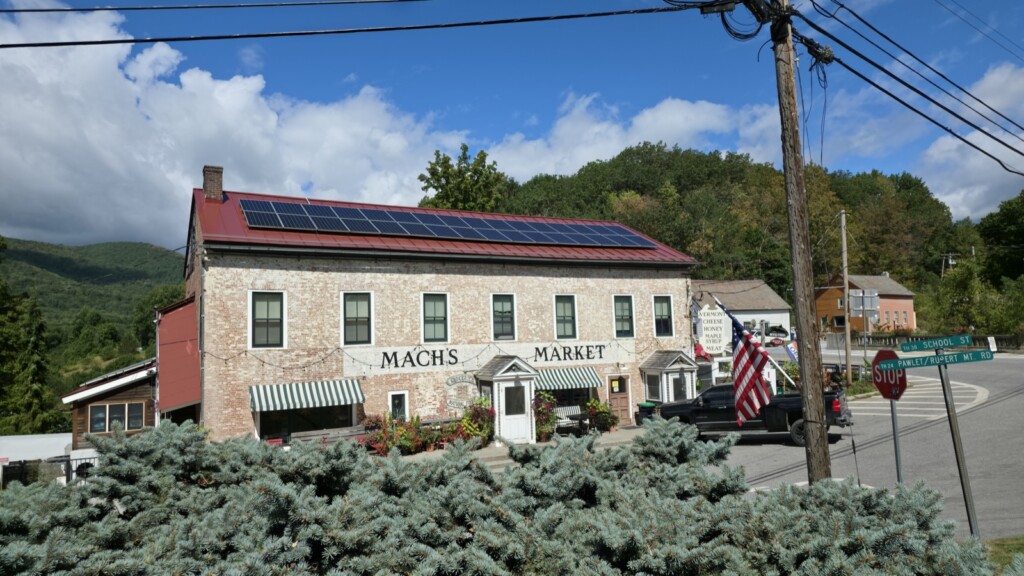
As I have driven around here, it is impossible not to notice: solar is everywhere. Farm buildings, rural homes, and wide-open fields are covered with panels. There are ground-mounted arrays all over the place, something you rarely see in Florida. But while the scenery is different, the lessons are universal: solar is local, and having a local professional makes all the difference.
Off-Grid as a Necessity
Chris made an interesting point: Vermont has only about half the solar resource that Florida does. Long stretches of cloud cover and snow make it tough to rely on solar alone, especially off-grid. But in rural Vermont, going off-grid is not a lifestyle choice. It is often the only way to power a home or farm. That reality makes batteries indispensable.
In Florida, batteries are usually about backup and peace of mind. In Vermont, they are a lifeline. And in both places, we agreed: very small “starter” backup systems usually disappoint. They often do not power what homeowners really need, leading to frustration and wasted investment. Right-sizing the system from the beginning is critical.
Although we install completely off-grid systems, most of the batteries installed in Florida are simply for backup purposes.
Similar Starts in Solar
What surprised both of us was how similar our paths into the industry have been. Neither of us set out to become solar contractors, much less licensed electrical contractors. Our first solar experiences were in the Caribbean, working on projects where power was scarce and reliability mattered more than anything. Those early, hands-on lessons shaped how we both approach solar today: practical, results-focused, and with a healthy respect for how unforgiving off-grid systems can be if they are not designed right.
Permitting: Two Different Worlds
Another shocker for me: in many parts of Vermont, no permits are required to install solar, especially on agricultural buildings. That speeds things up and lowers costs dramatically. Compare that to Florida, where you cannot interconnect to the utility grid without a passed final electrical inspection. The permitting process in Florida adds time and cost, and while it is important for safety and compliance, it is also one of the biggest differences between our markets.
Ground Mounts That Actually Work
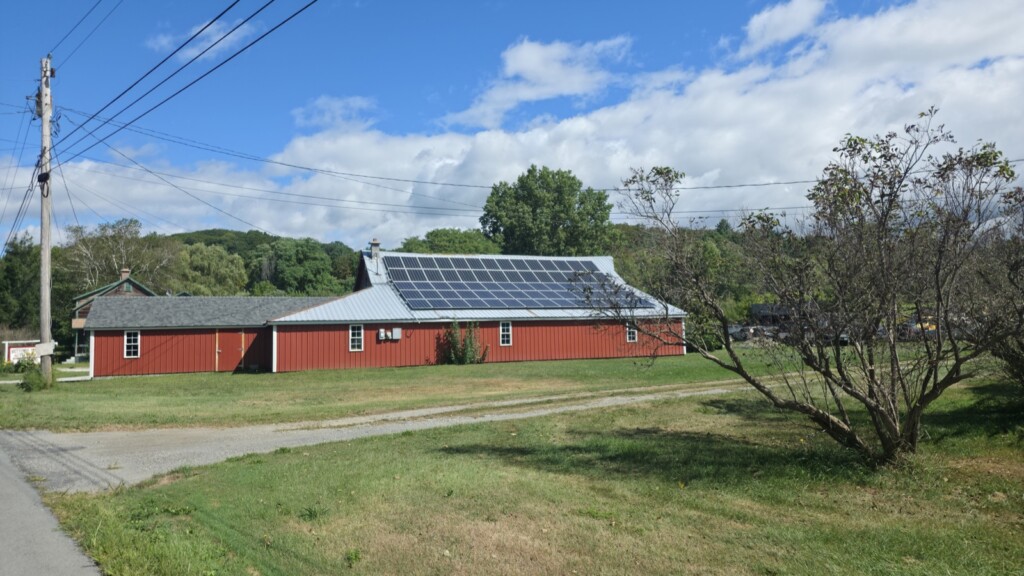
In Vermont, ground-mounted solar is common. With fewer hurricane risks, plenty of open farmland, and simpler permitting, it just makes sense. In Florida, high wind loads and strict building codes make ground mounts complicated and expensive. We always tell clients to use their roof space first, even if it is not perfectly oriented, before considering a ground system. Seeing how common ground mounts are here really drives home how much local conditions dictate the right design.
Small Business Solar
It is surprising how many small businesses have solar panels installed in Vermont. I guess it’s equally surprising how few companies in Florida have solar panels, since the return on investment has to be better. I think it’s a mindset thing. Business owners in Vermont see the overall business picture as owning the building you operate from and investing in that property. Solar panels just make sense over the long term, whether it’s a business or personal investment. And electrical needs are smaller here because of the high air conditioning costs in Florida, so it’s easier to offset all or most electrical usage in a business.
Shared Frustrations in the Industry
Chris and I also found ourselves commiserating about things that drive us both crazy. SolarEdge, for example. We have both seen too many failures and struggled with their customer service. It is not a brand we recommend.
We also agreed on something that defines our businesses: service is not a profit center, but it is a reputation-builder. Too often, national solar contractors flood into a market, undercut prices (or gouge customers with ridiculous financing fees), and then bail out when things get tough. Homeowners are left with orphaned systems and nobody to call when problems arise. That is when local contractors like us step in. Fixing those systems is not about making a quick buck. It is about doing right by the customer, building trust, and earning referrals that last.
Batteries, LFP, and the Future Beyond Tax Credits
Both Florida and Vermont are seeing a shift toward lithium iron phosphate (LFP) batteries, and that is a good thing. They are (arguably) safer, longer-lasting, and better suited for modern solar applications. But the challenge we both see is interoperability. Every manufacturer wants to lock you into their ecosystem, and getting different equipment to cooperate can be painful. That is where experience and local know-how matter most, designing systems that not only work on day one, but keep working for years to come.
We also talked about how batteries will become even more important when the federal tax credit is gone. Without that incentive, system pricing will need to be justified on more than just saving money. Solar will have to be sold as a dual-function investment: reducing bills while also providing backup power and peace of mind. That is already how many of our clients see it, and it will only grow in importance when the credit expires.
Speaking of tax credits, Chris and I both feel confident that our businesses will survive and thrive after the Section 25D tax credit goes away. The reason is simple: we are in it for the right reasons. We tackle real problems instead of creating them. Our expertise in off-grid and battery-based systems will carry us through long after the current tax credit-driven solar boom fades.
We installed solar decades ago, when it was much more expensive, even after federal tax credits and state rebates.
Different Markets, Shared Lessons
At the end of the day, the Vermont and Florida solar energy markets look different on the surface, with different climates, permitting rules, equipment preferences, and customer needs. But the fundamentals are the same: solar is local, expertise matters, and doing right by customers is what keeps the lights on.